What this sector has to measure
Water and wastewater instrumentation is decided by economics and by regulation more than by accuracy. A meter that costs more but holds its reading for ten years is frequently the better purchase than one that costs less and needs attention every year, and an analyser that reports a consented parameter has to satisfy the method behind the consent regardless of what else it can do.
The installations are also unusually varied for a single sector. A buried distribution main, an open channel at a treatment works inlet, a pressurised filter and a final effluent outfall are all water measurements and share almost nothing in the way they are instrumented. The main can only be measured from outside, the channel needs a level-to-flow conversion, the filter needs differential pressure, and the outfall usually needs both a flow figure and a quality figure on the same record.
Buyers in this sector generally arrive with a regulatory or operational obligation rather than a preference: a consent to demonstrate, a leakage figure to reduce, a dosing rate to control, or a pump to protect. Those obligations decide the measurement, and the instrument follows.
Where the instruments sit
Abstraction and treatment works inlet
Raw water of variable quality, often with solids and debris. Flow measurement is frequently required to be non-intrusive or to tolerate fouling, and the reading feeds both process control and an abstraction record.
Treatment process
Dosing, filtration, aeration and sludge handling. Flow, level, differential pressure and analysis all appear, and the instruments are usually specified for a wet, corrosive and occasionally submerged environment.
Distribution network
Buried mains in which the instrument often cannot be installed by cutting the pipe, plus district metering and pressure management. Leakage reduction depends on accurate, matched flow and pressure data rather than on a single precise instrument.
Effluent and discharge
The reporting point. Flow and quality are both measured here and both frequently carry a consent obligation, so the recording, the sampling arrangement and the instrument are specified together.
Instrumentation used in this sector
| Measurement | What is measured in this sector | Instruments commonly specified |
| Flow | Raw water, process streams, district metering, sludge, and final effluent discharge | Electromagnetic meters with abrasion-resistant liners, clamp-on ultrasonic sets for buried mains and retrofit work, and open-channel arrangements with a primary element where the flow runs in a channel |
| Level | Wet wells, tanks, channels, sumps and reservoirs | Ultrasonic transmitters for clean vapours, radar where vapour or condensation is present, hydrostatic transmitters for simple tanks, and float or conductivity switches for pump control and high-level alarms |
| Pressure | Pumped mains, filter and membrane differential, and network pressure management | Pressure transmitters with sealed references for outdoor installation, and differential transmitters across filters and membranes |
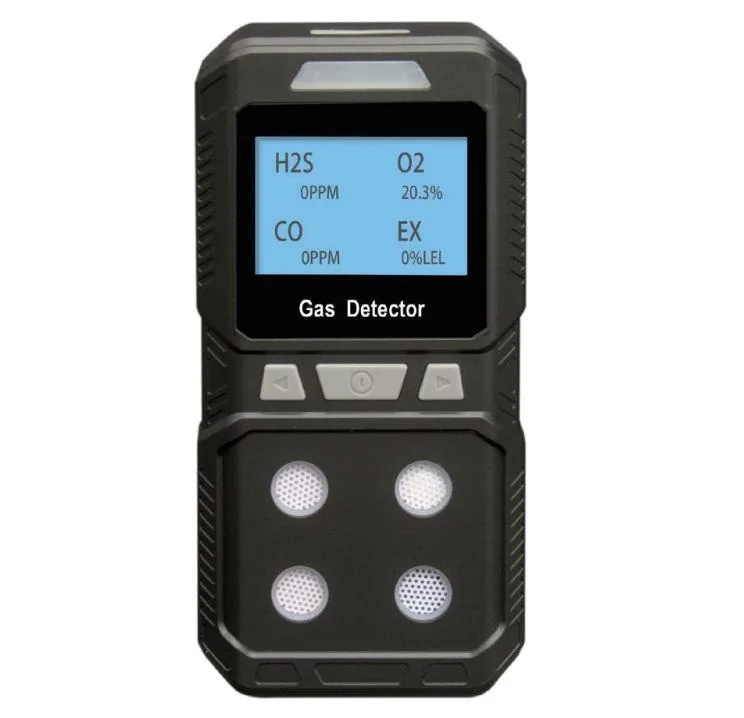
| Analysis | pH, turbidity, conductivity, dissolved oxygen, residual chlorine, ammonium and suspended solids | In-line analysers and transmitters with cleaning arrangements, plus portable instruments for verification rounds and for sites without a permanent installation |
| Level and flow recording | The record that supports a consent, an abstraction licence or an internal balance | Data loggers and recorders with the channel count and the retention the obligation requires |
| Sludge and solids | Sludge density, blanket level and dry-solids concentration | Density and interface instruments, chosen for a medium that coats and can blind a sensing surface |
A consent obligation is a specification input. The parameter, the method and the reporting interval should be stated in the enquiry, because they can rule an instrument in or out before the range is discussed.
How to specify for a water or wastewater plant
- State the obligation first. An abstraction licence, a discharge consent, an internal water balance and a process control loop each impose different demands on the record, the accuracy and the calibration interval.
- Say whether the pipe can be opened. This single answer separates an insertion or clamp-on solution from a full-bore meter, and it is the question that most often changes the cost of an installation.
- Abrasion and fouling rather than corrosion. Sludge, grit and biologically active water attack a liner and coat a sensing surface, and both effects are usually more relevant here than the chemical compatibility that dominates other sectors.
- Power and telemetry at the site. Many installations are unmanned, and the available supply and communication route decide whether a mains-powered instrument, a battery-powered logger or a solar arrangement is realistic.
- Environmental rating for an outdoor or buried location, including whether occasional submersion has to be tolerated rather than merely rain.
- The accuracy that the obligation actually requires. Where the figure is used for a regulatory return, that requirement governs; where it is used for a trend, an instrument with a wider tolerance is usually the economical answer.
- Maintenance access, because a wet well or a buried chamber is a confined space and the instrument that needs a visit every month is a much larger commitment than its purchase price suggests.
- Calibration and verification arrangements, particularly for analysis, where the reading drifts and the verification interval is part of the operating cost rather than an afterthought.
Standards and approvals that may apply
- Discharge and abstraction obligations, which set the parameter, the method and the reporting interval for a measured value.
- Drinking-water quality requirements where the measurement supports a supply obligation, including any requirement on the materials in contact with water.
- Flow measurement methods specified for open channels and for closed conduits, which govern the installation rather than the instrument.
- Environmental monitoring requirements where a value is reported to a regulator.
- We describe the requirements an installation may have to meet. Where a product has to satisfy a specific method, we confirm what can be supplied against it rather than assuming compliance.
Applications in this sector