What an item of electrical test equipment is
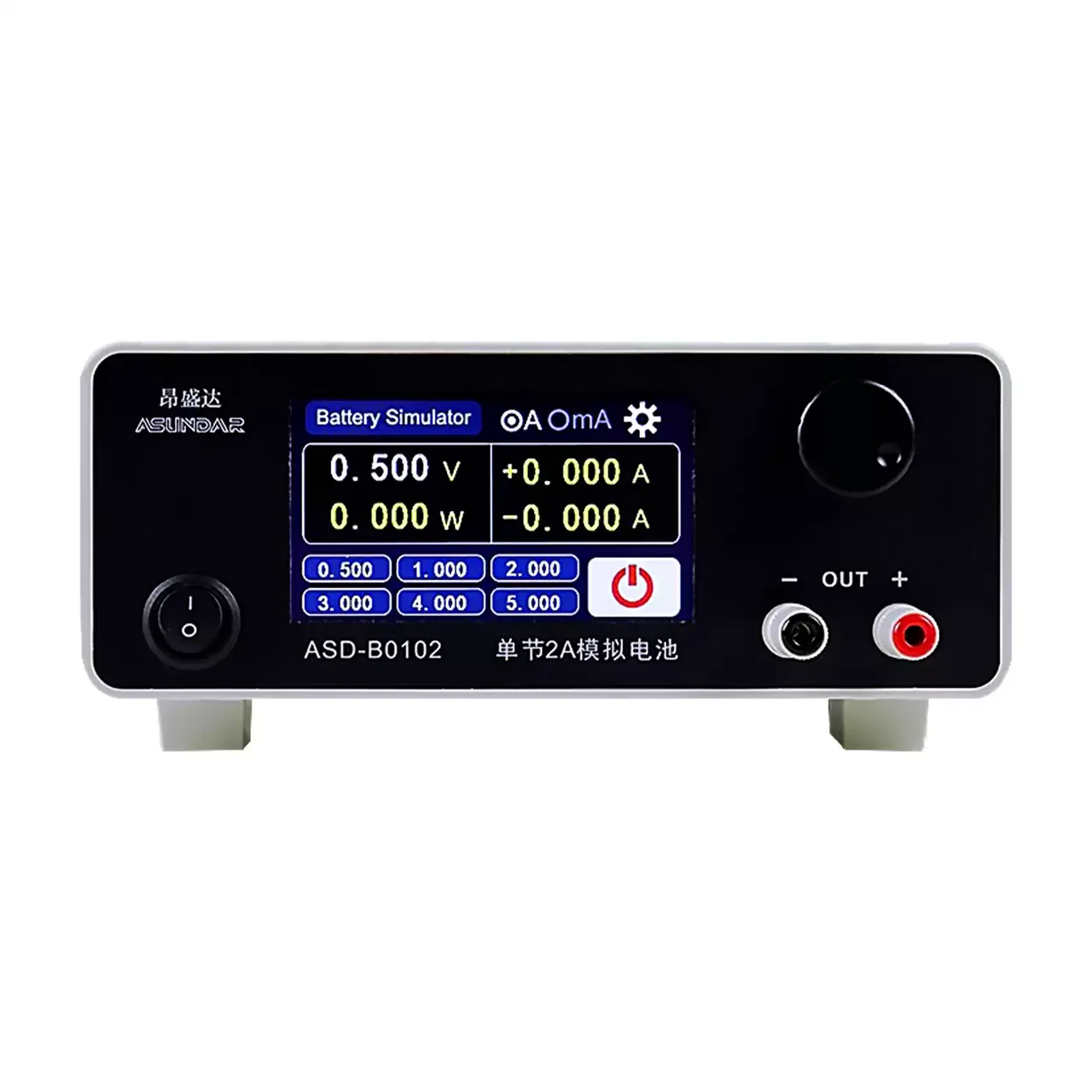
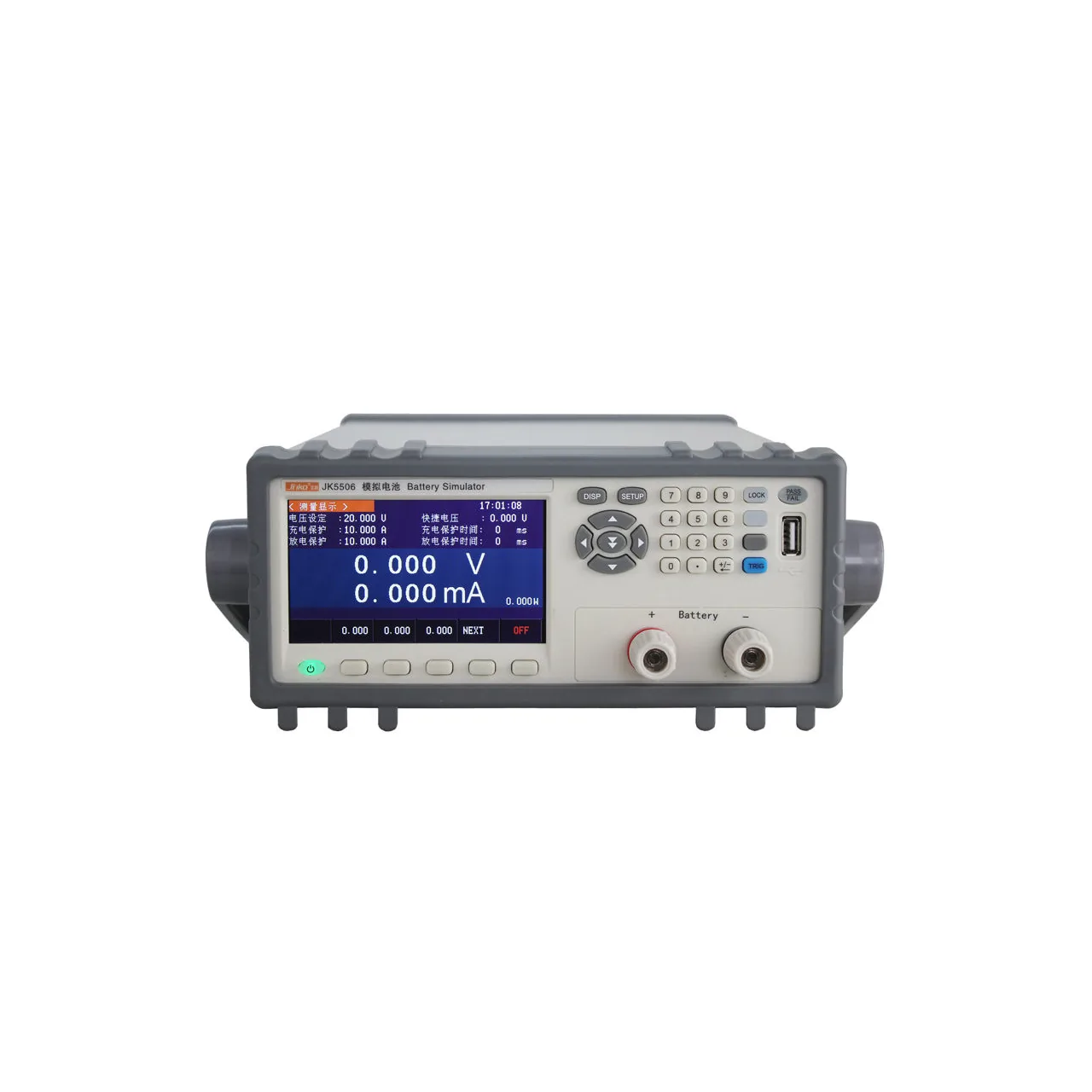
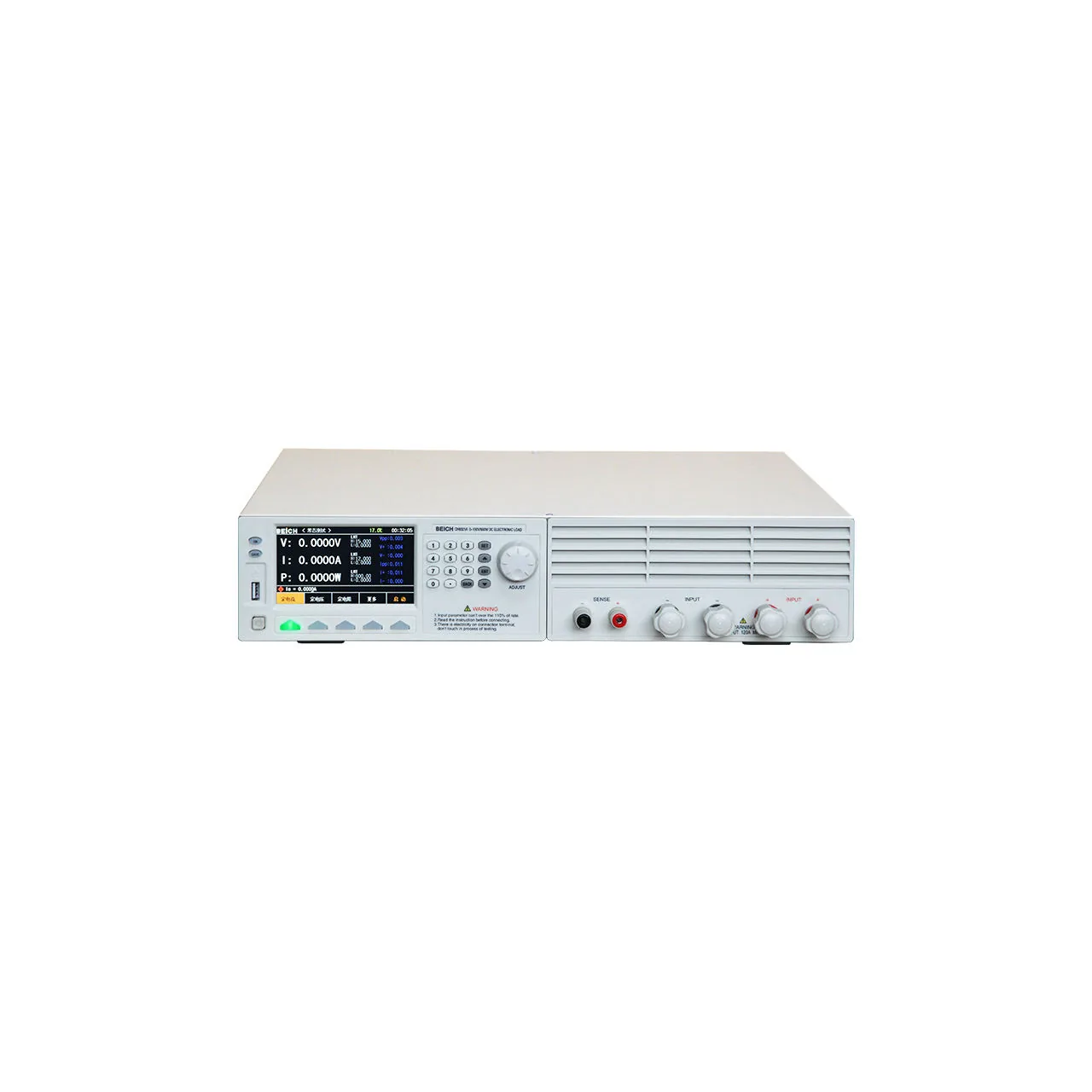
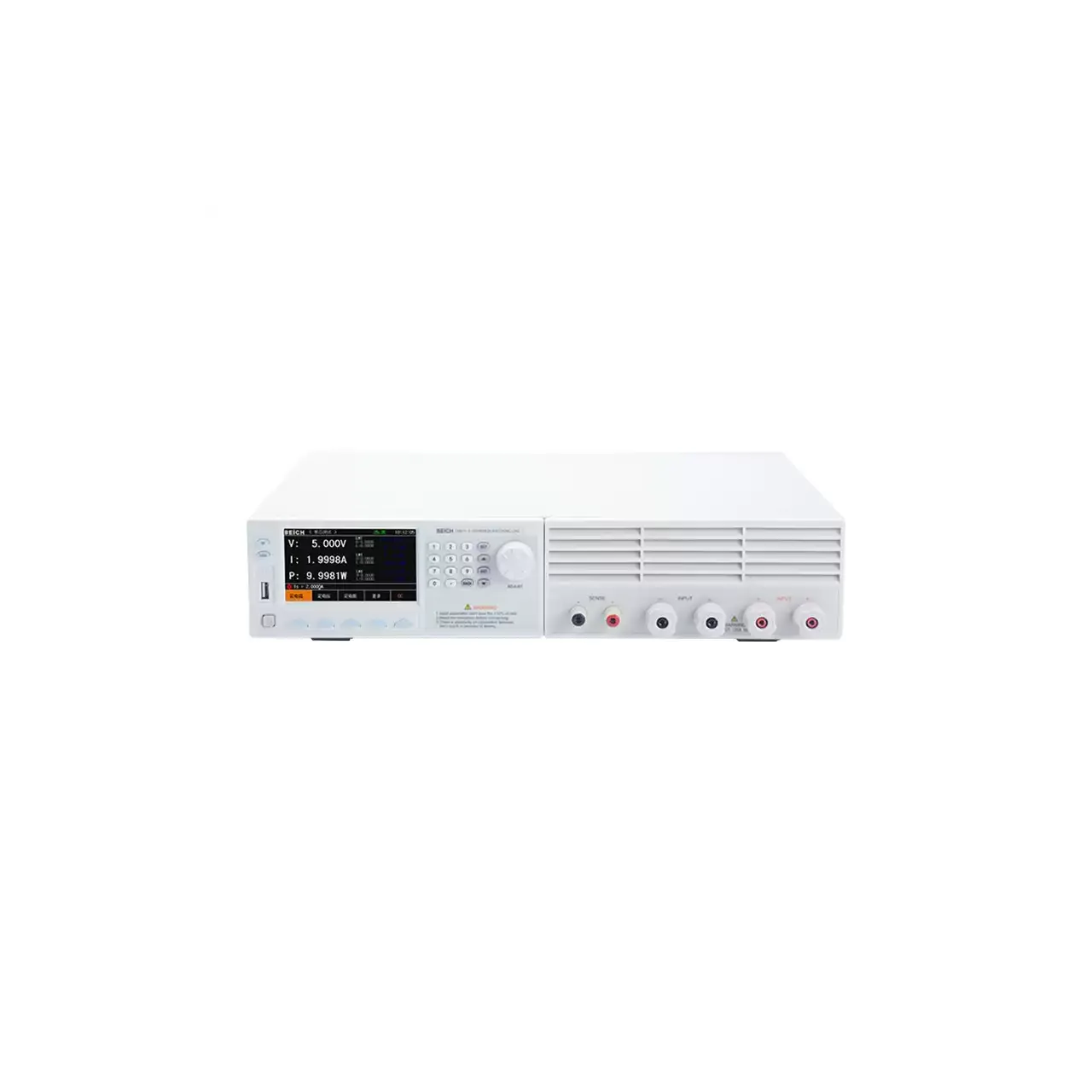
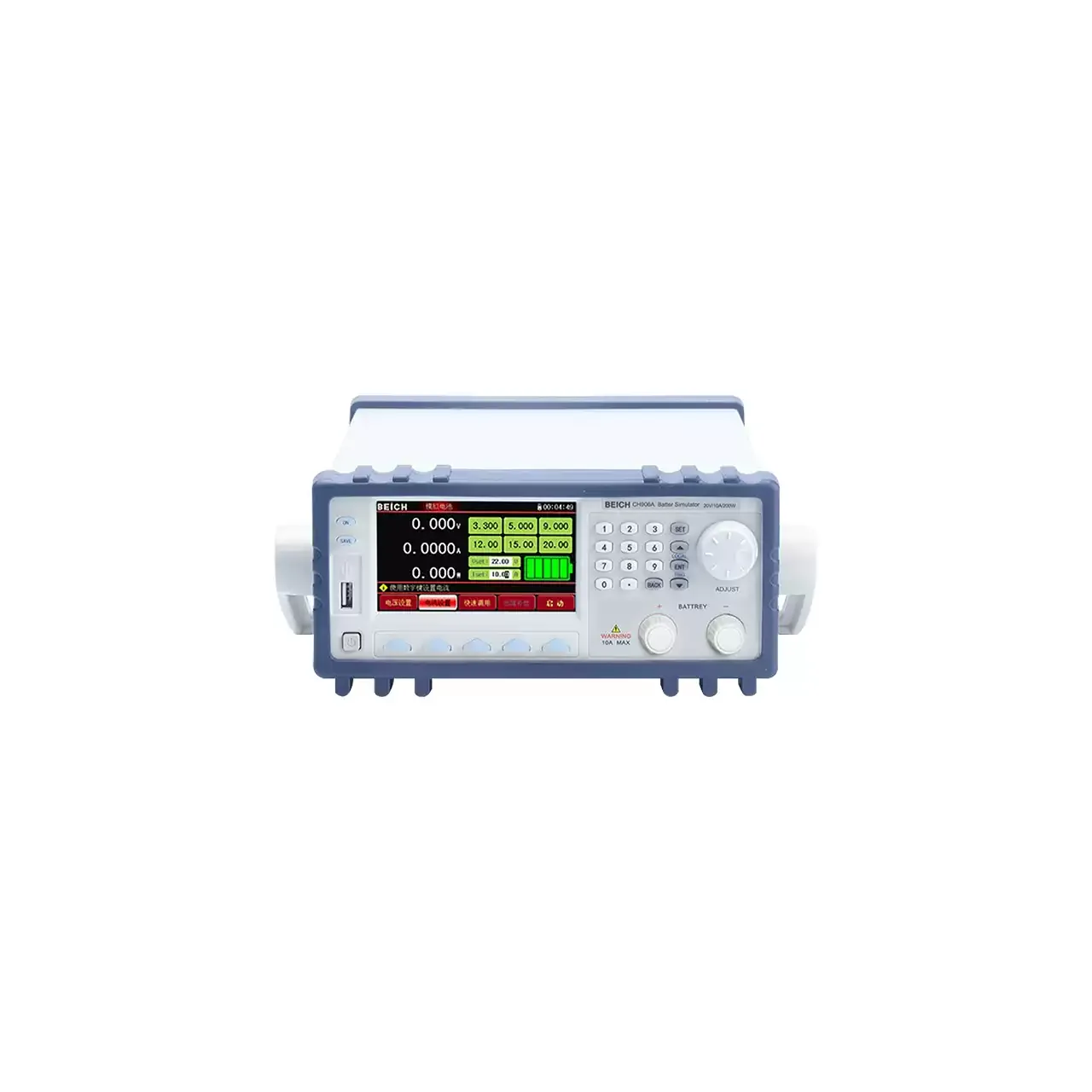
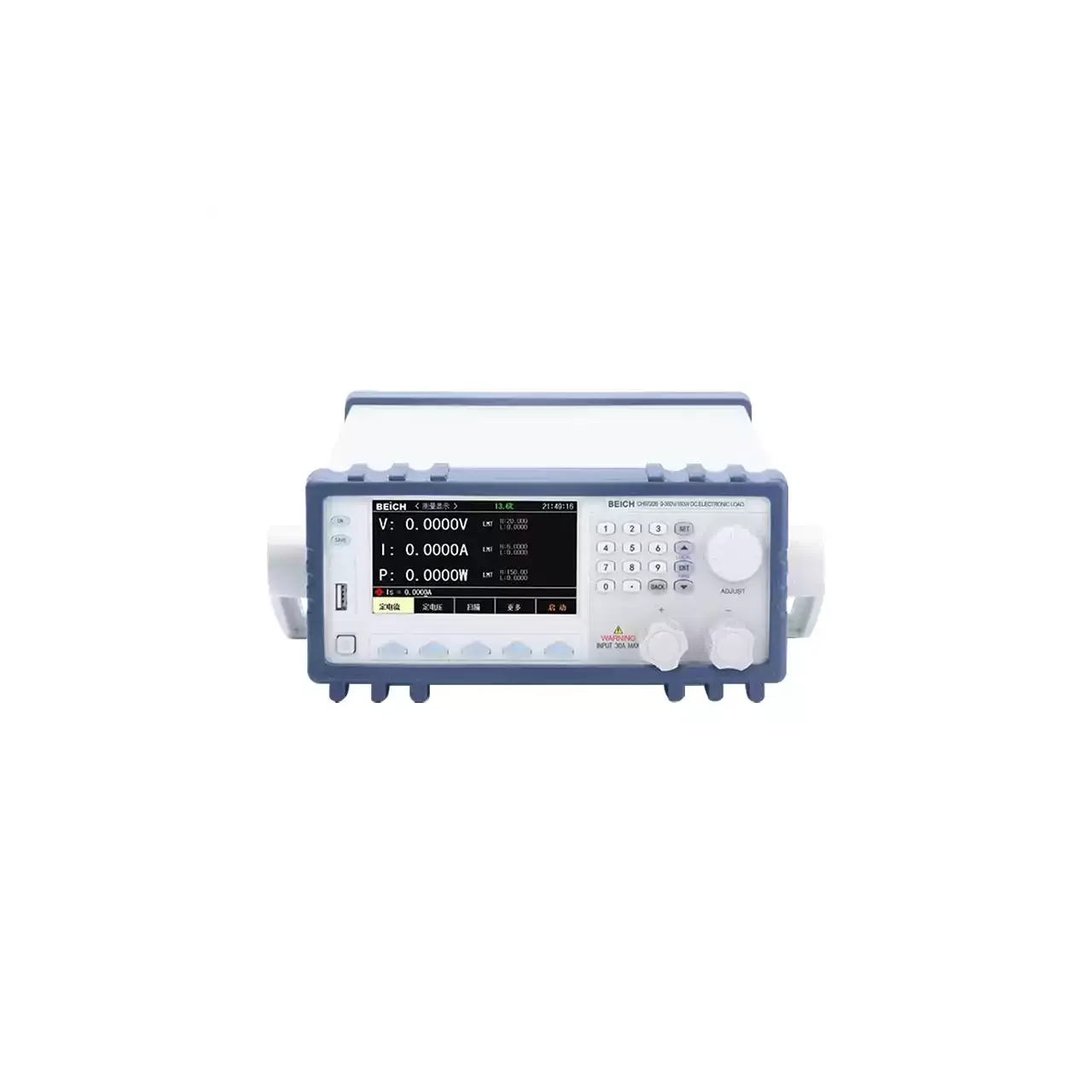
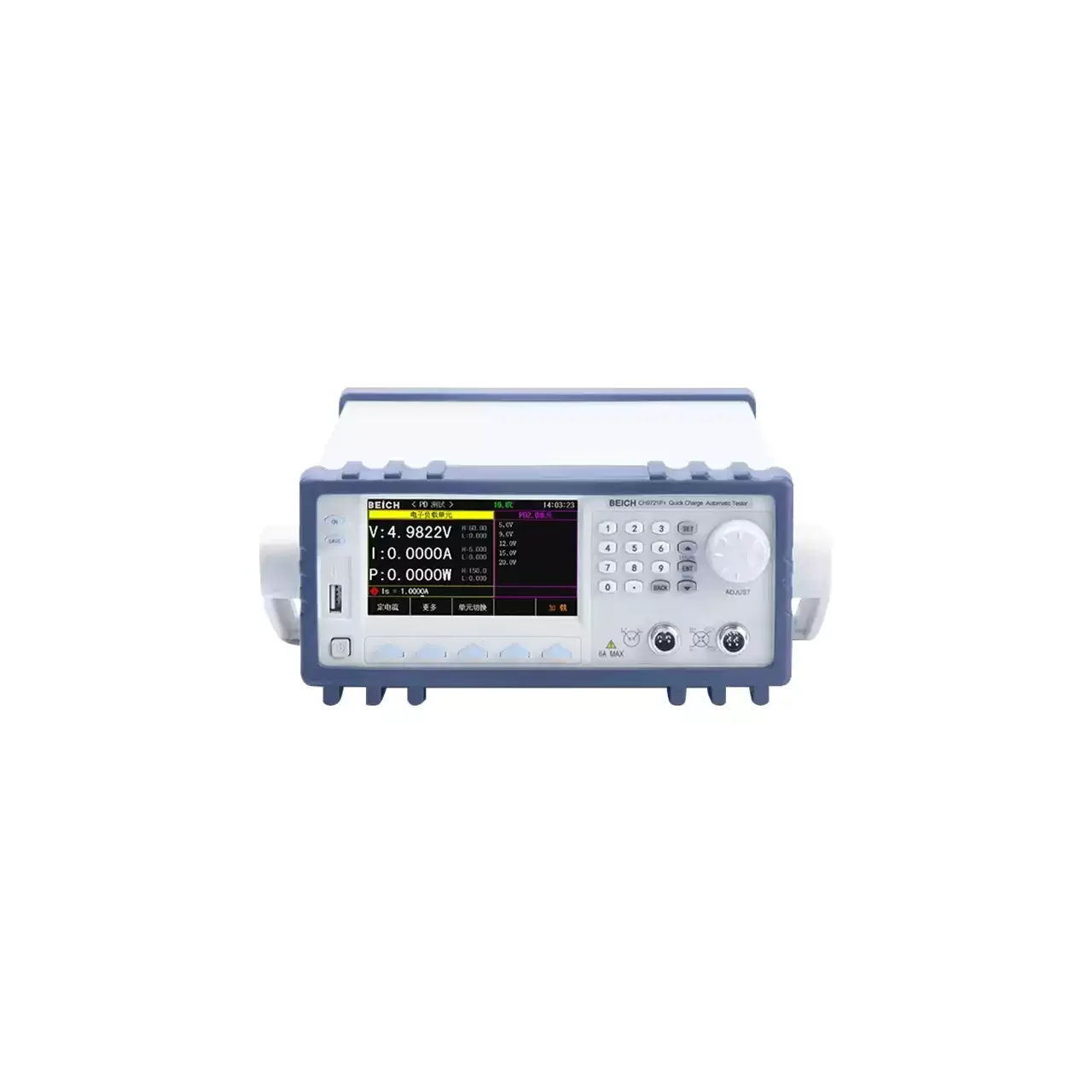
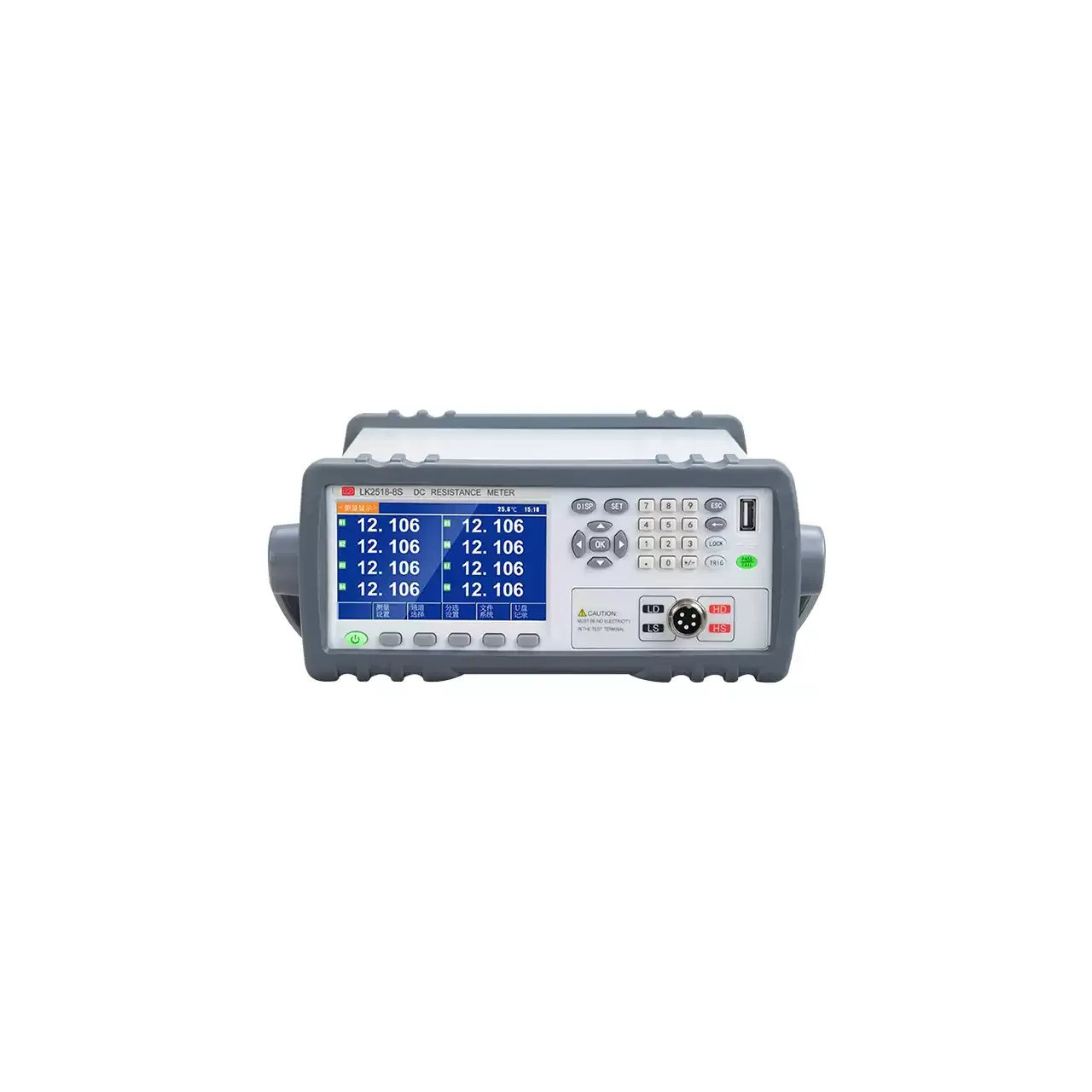
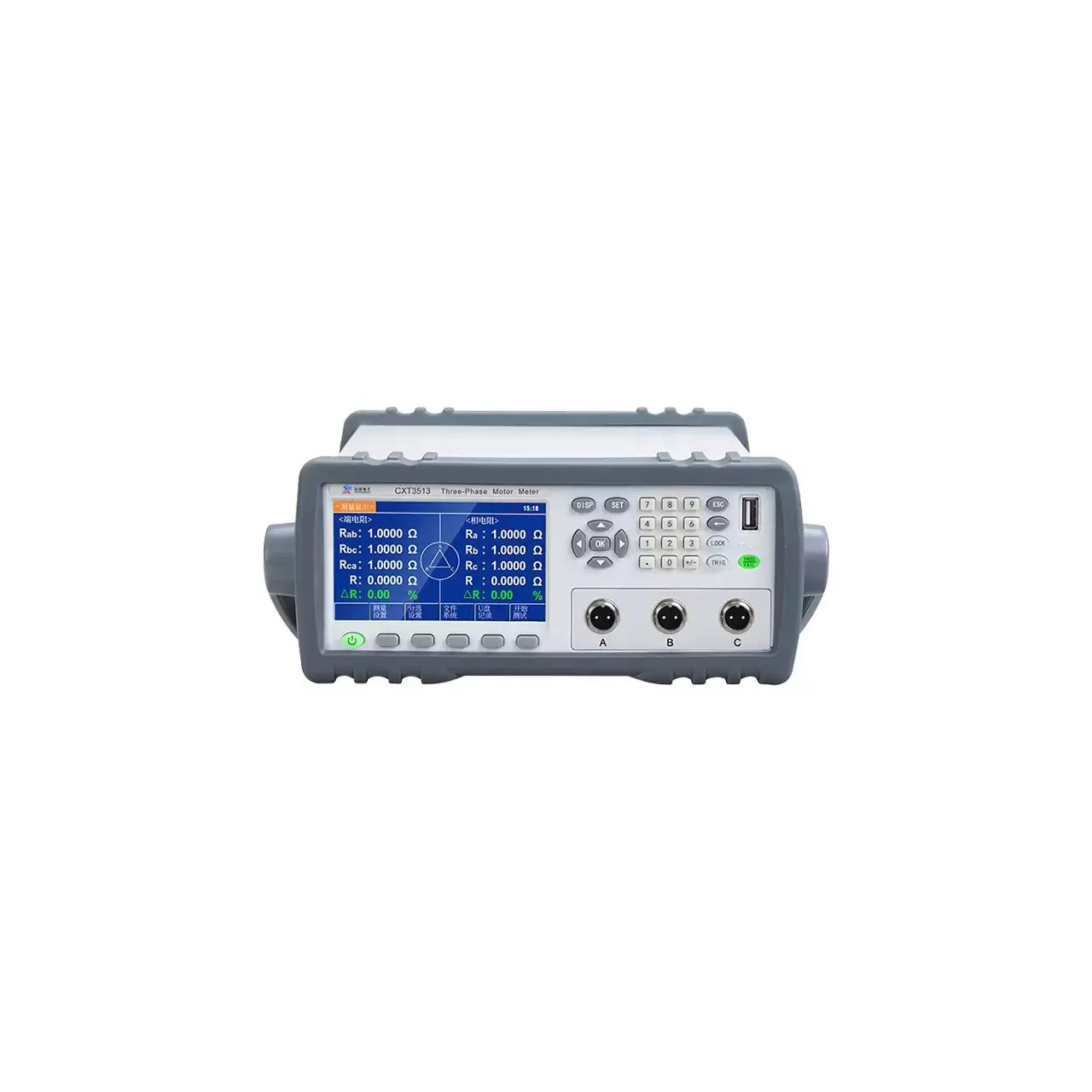
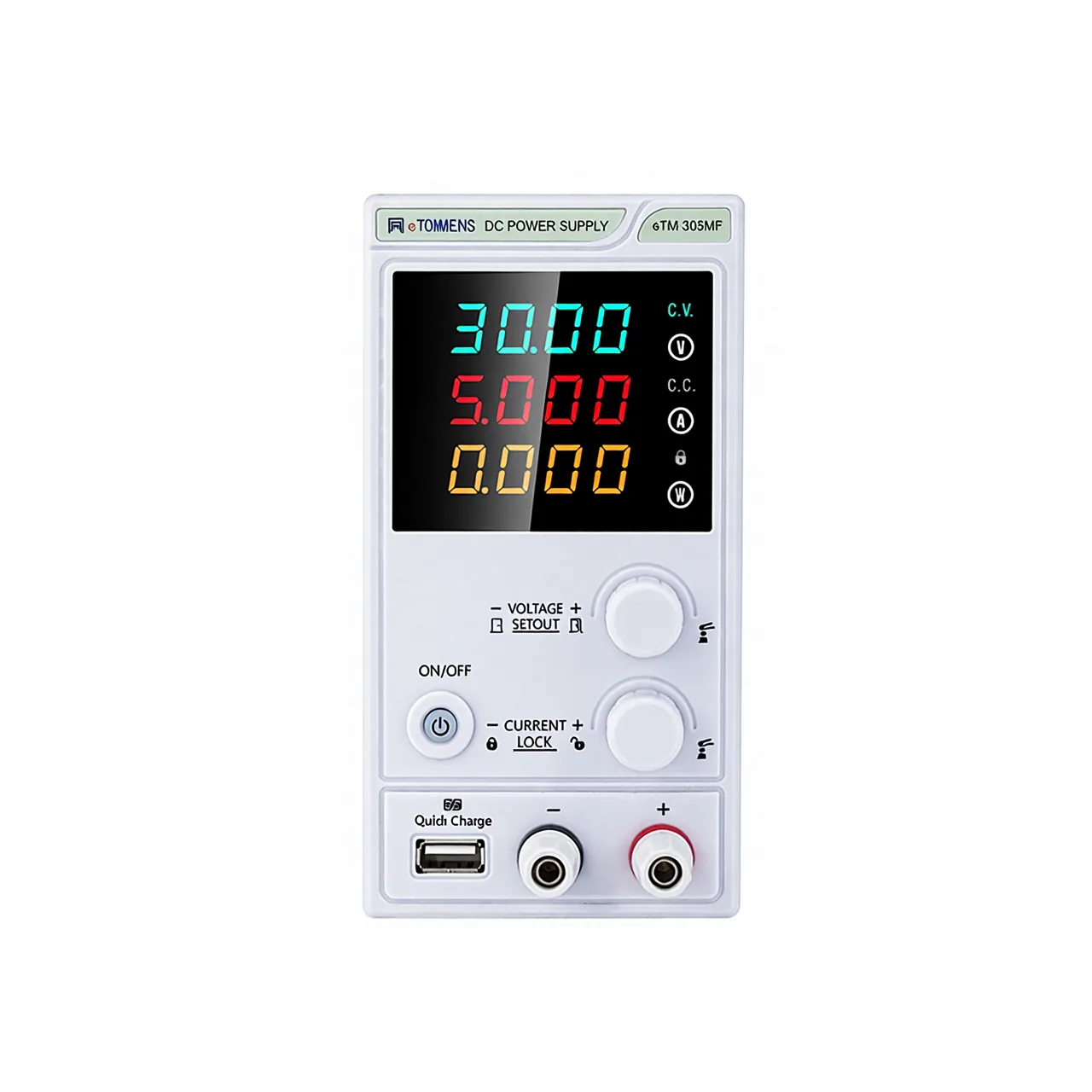
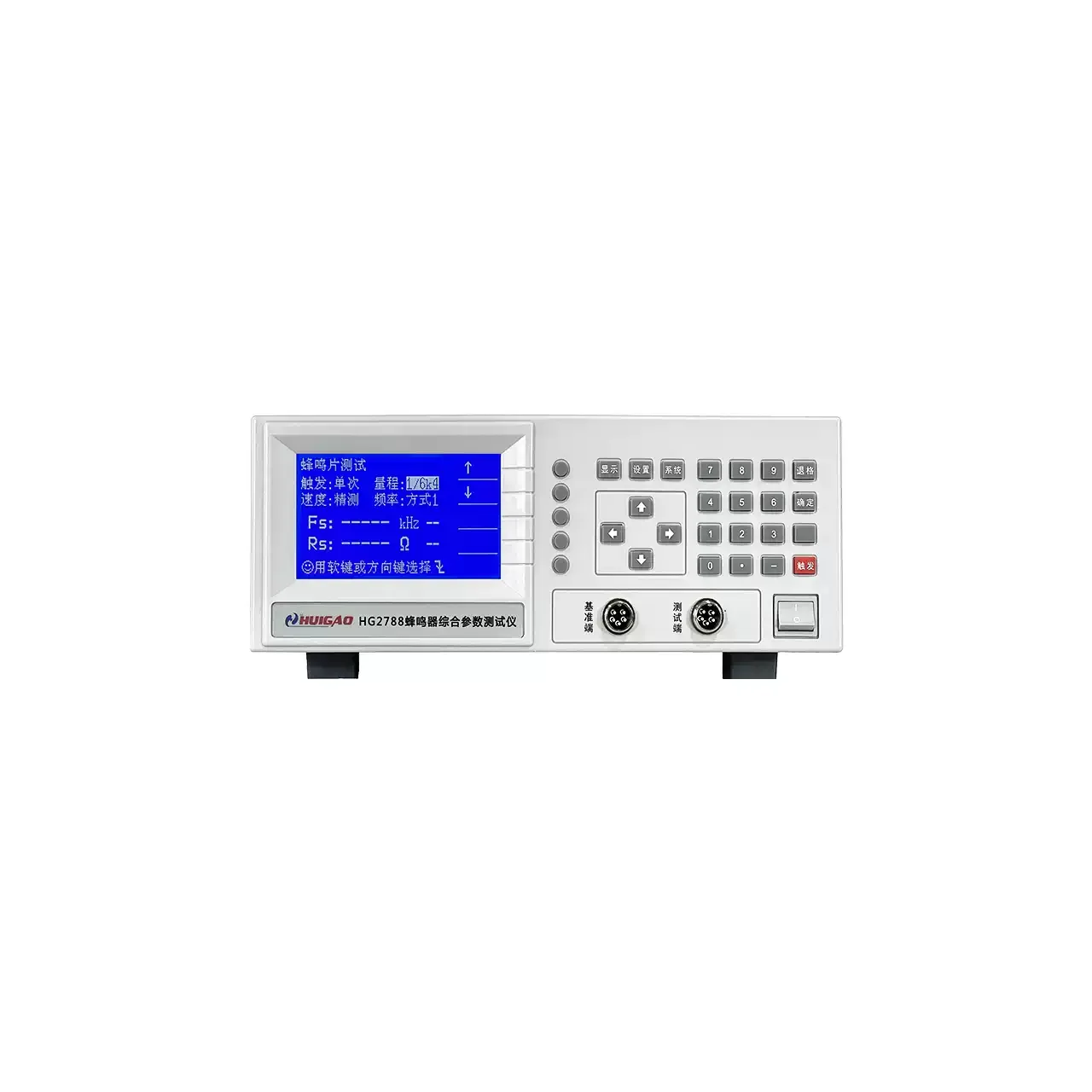
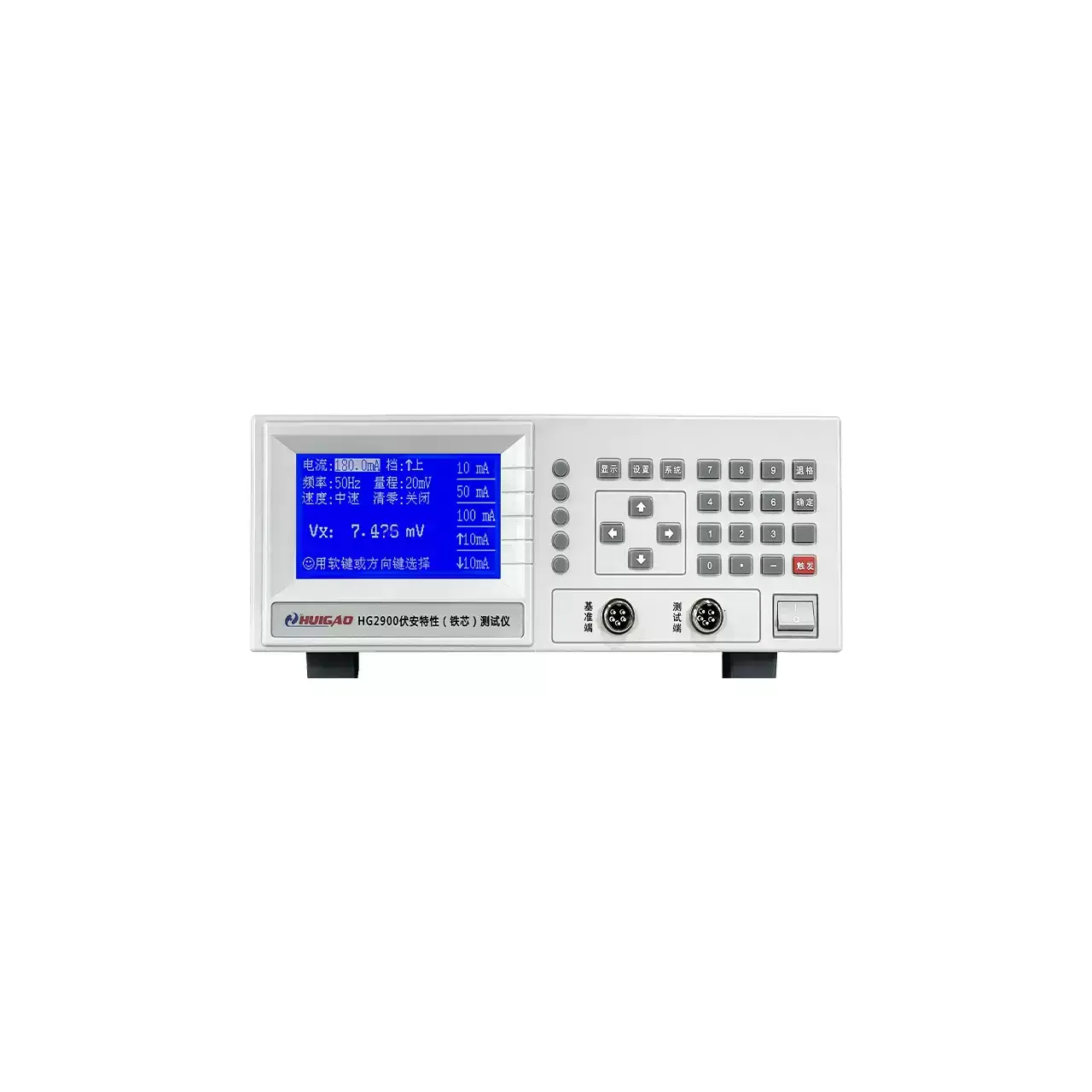
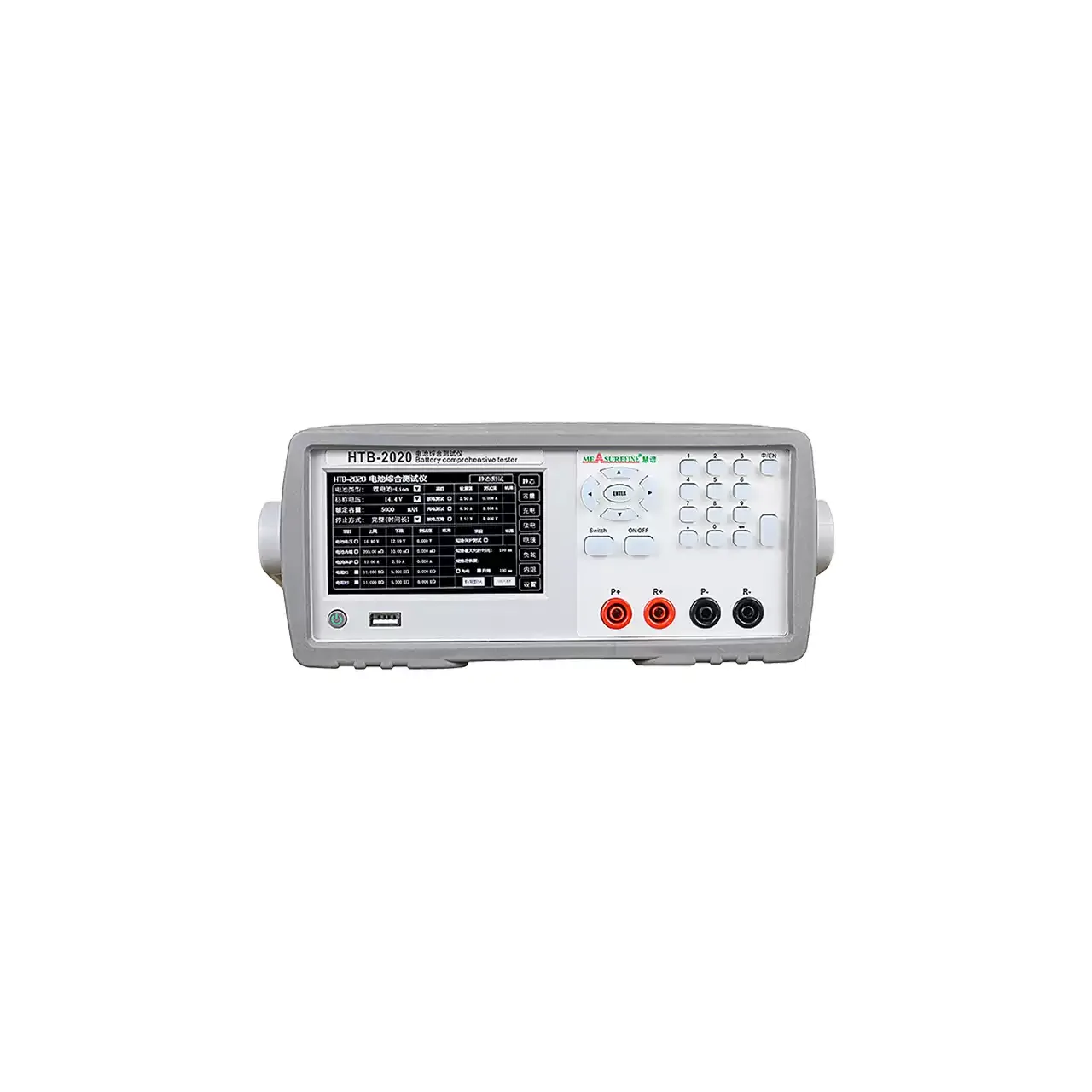
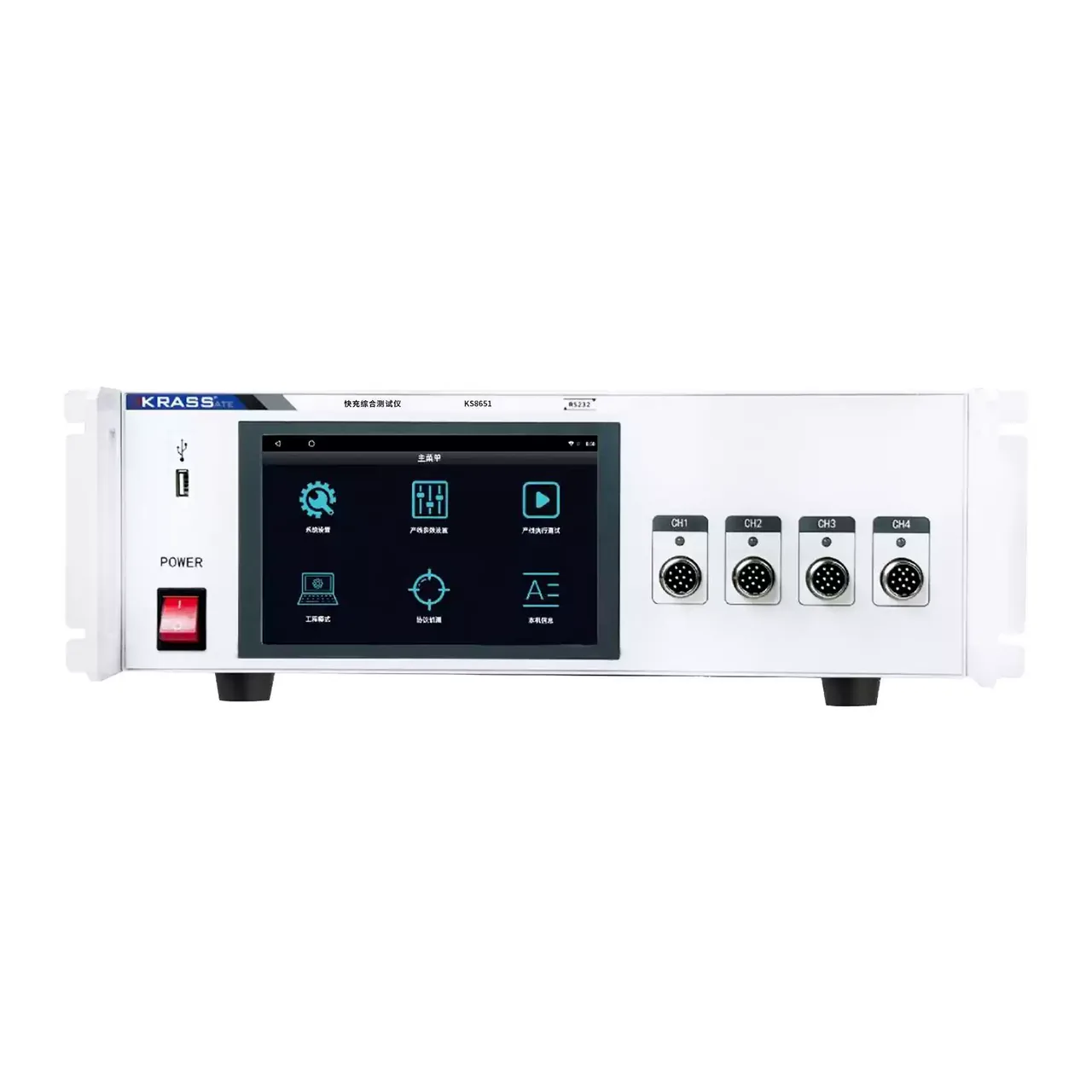
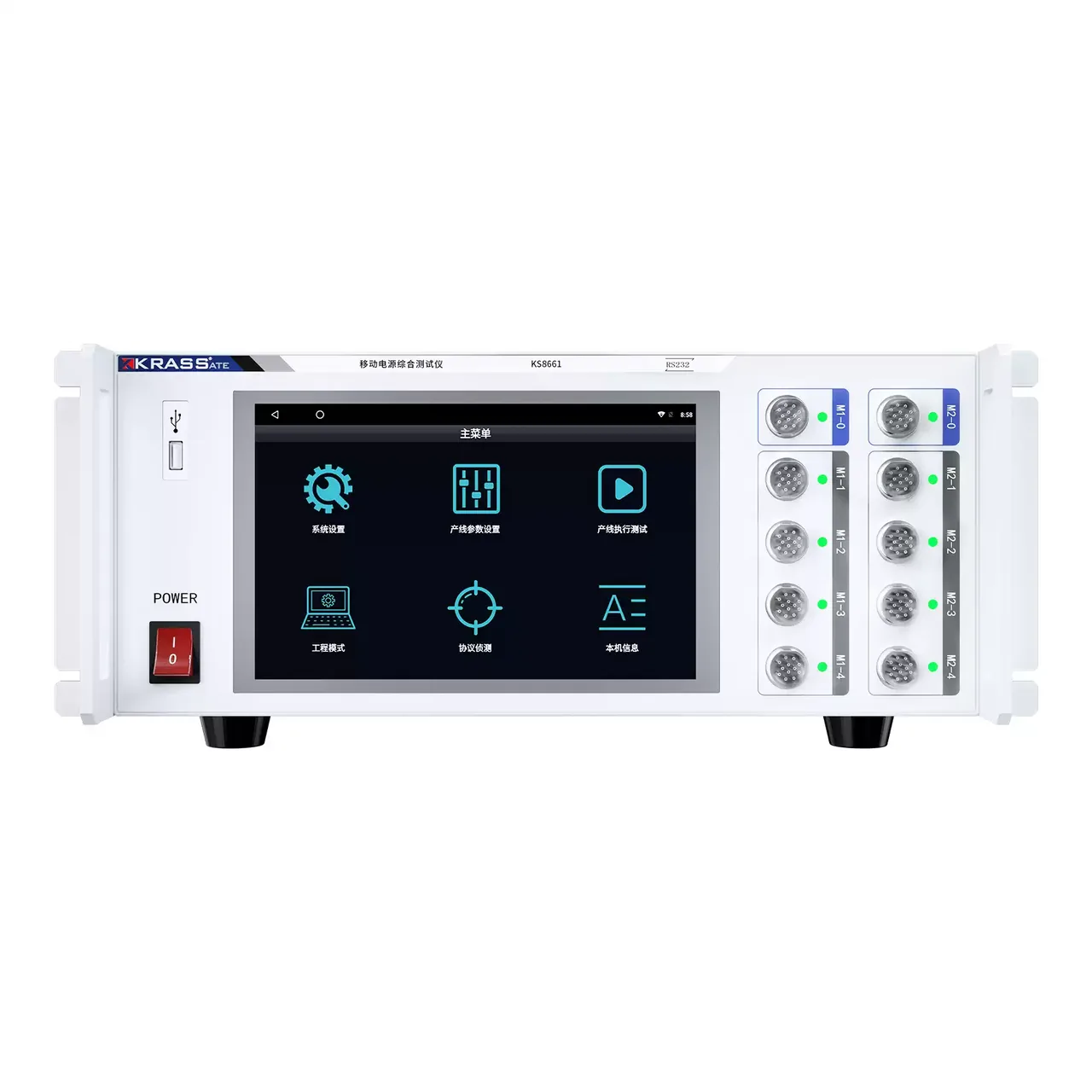
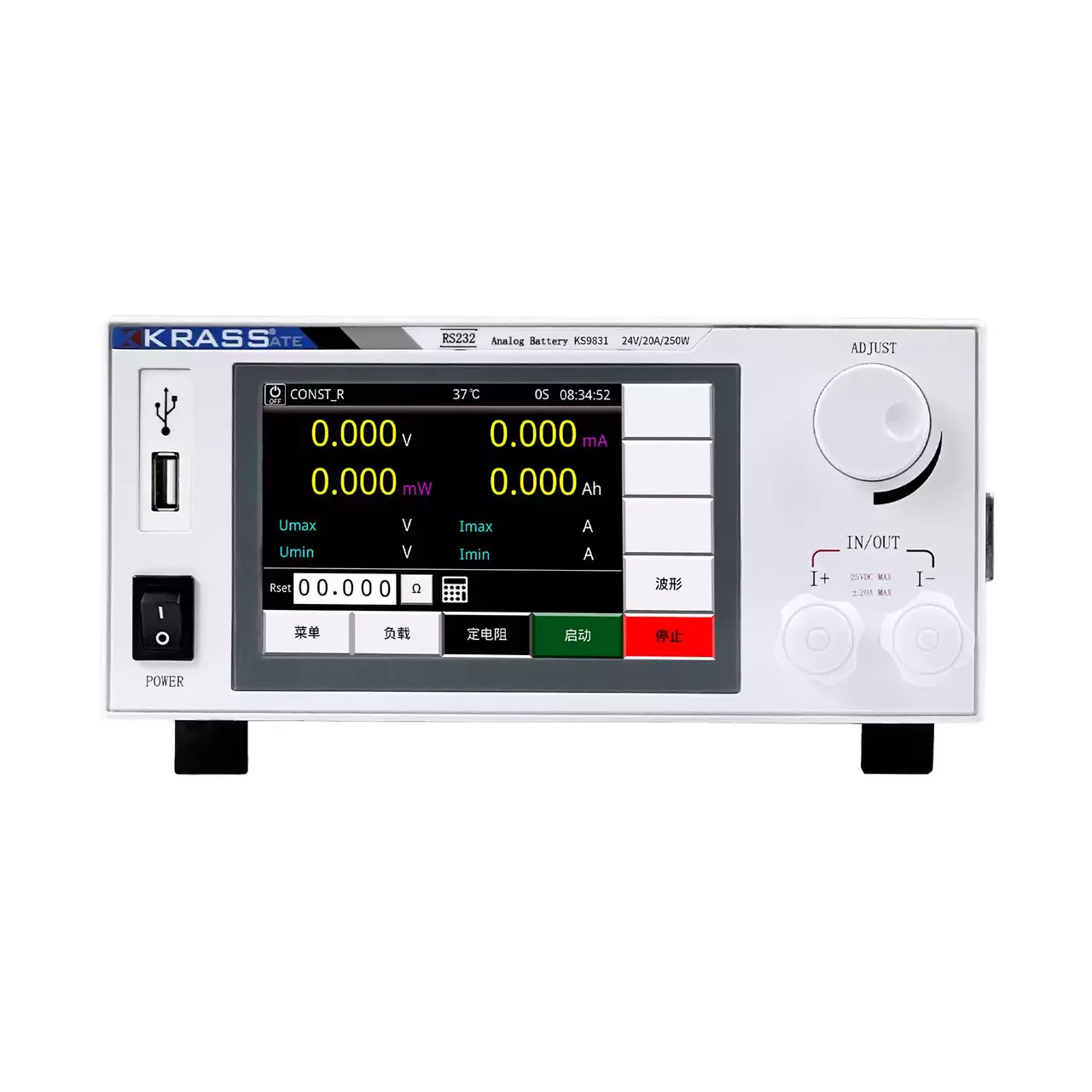
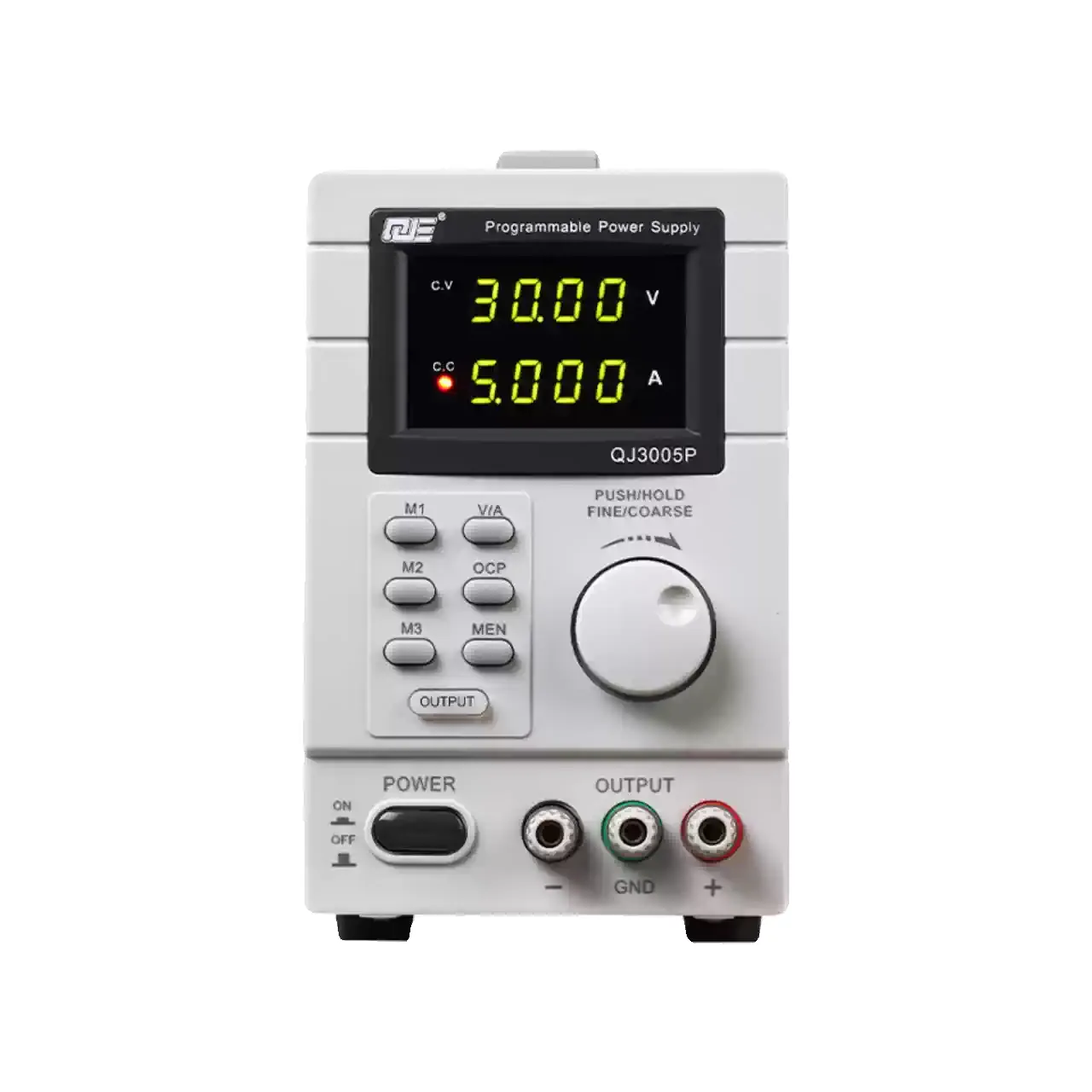
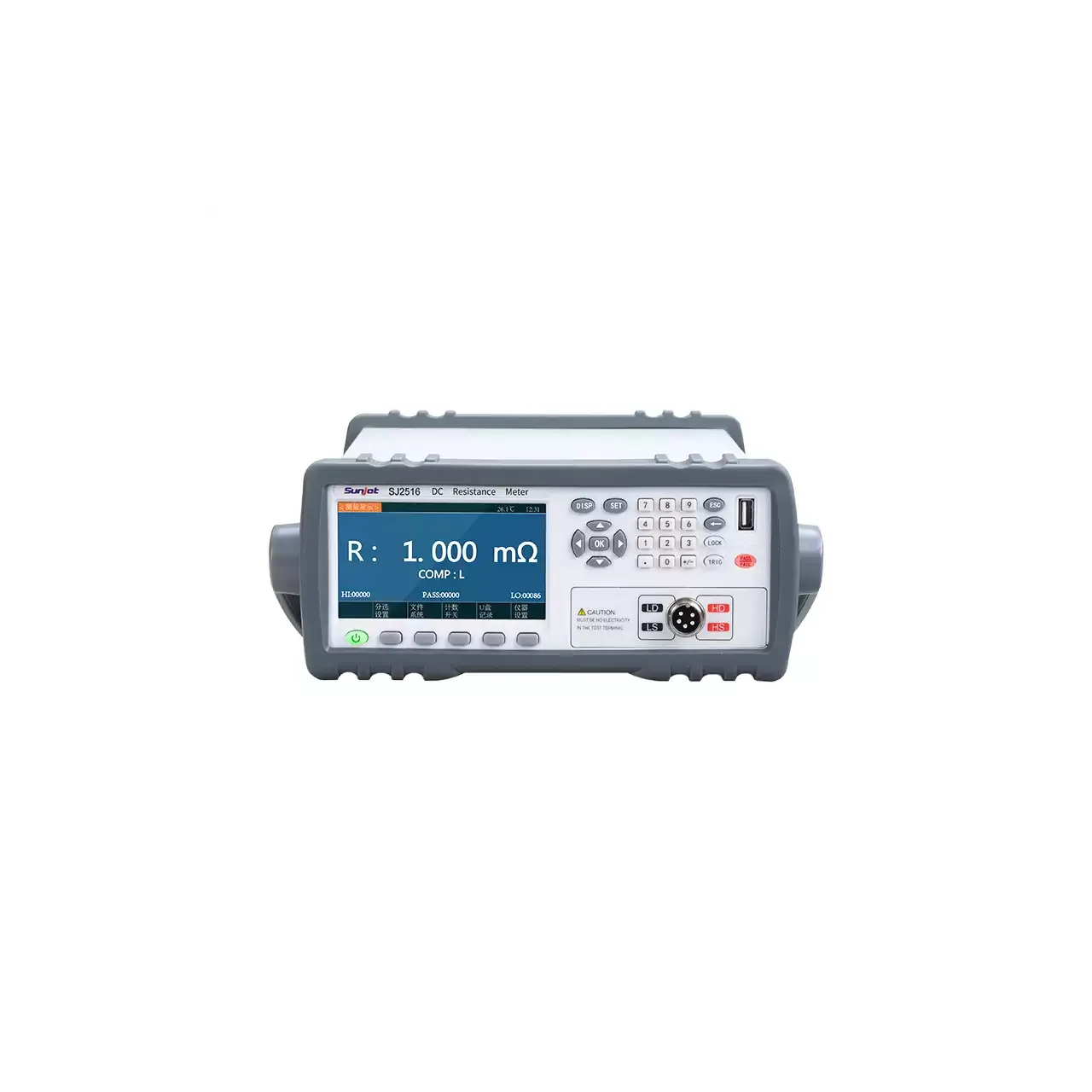
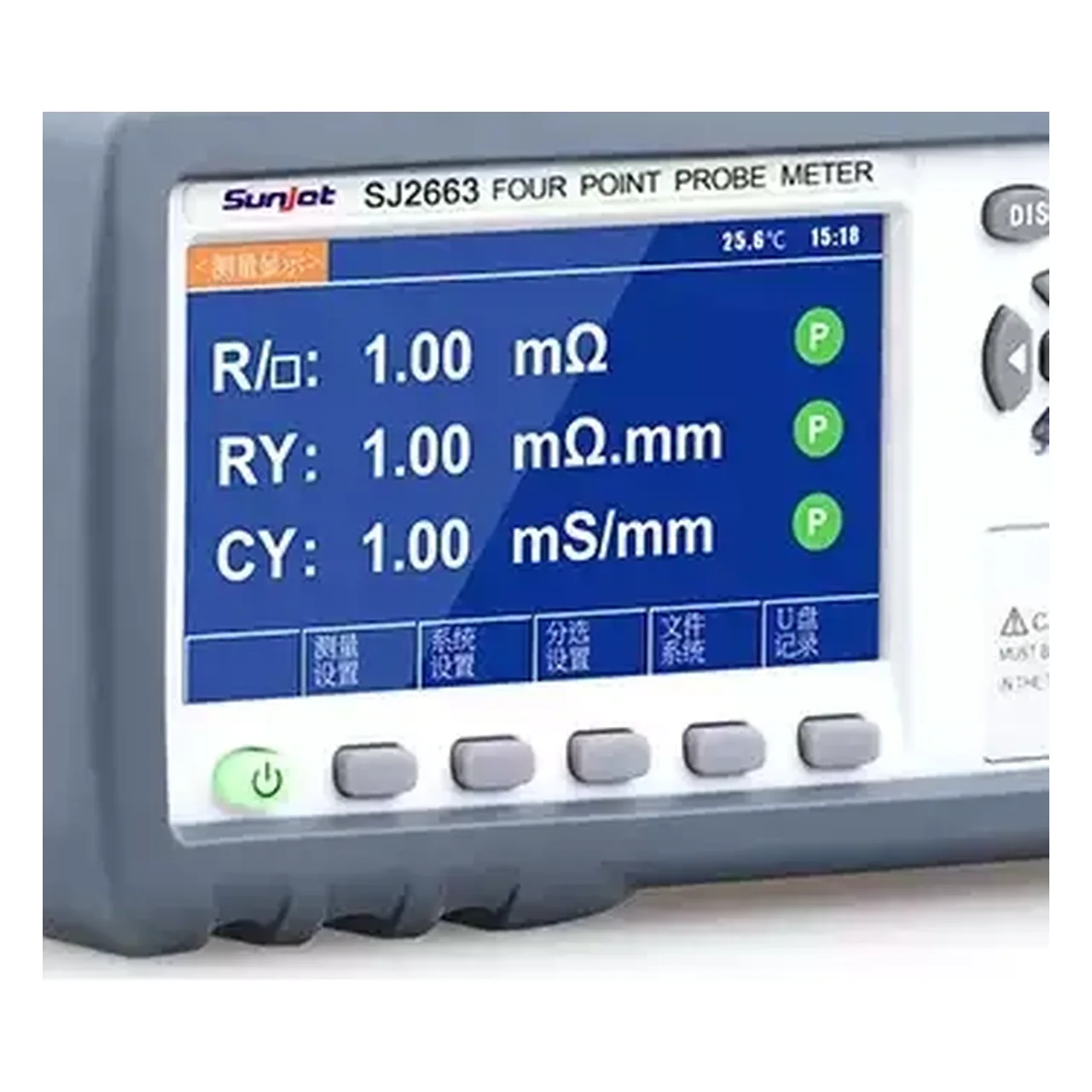
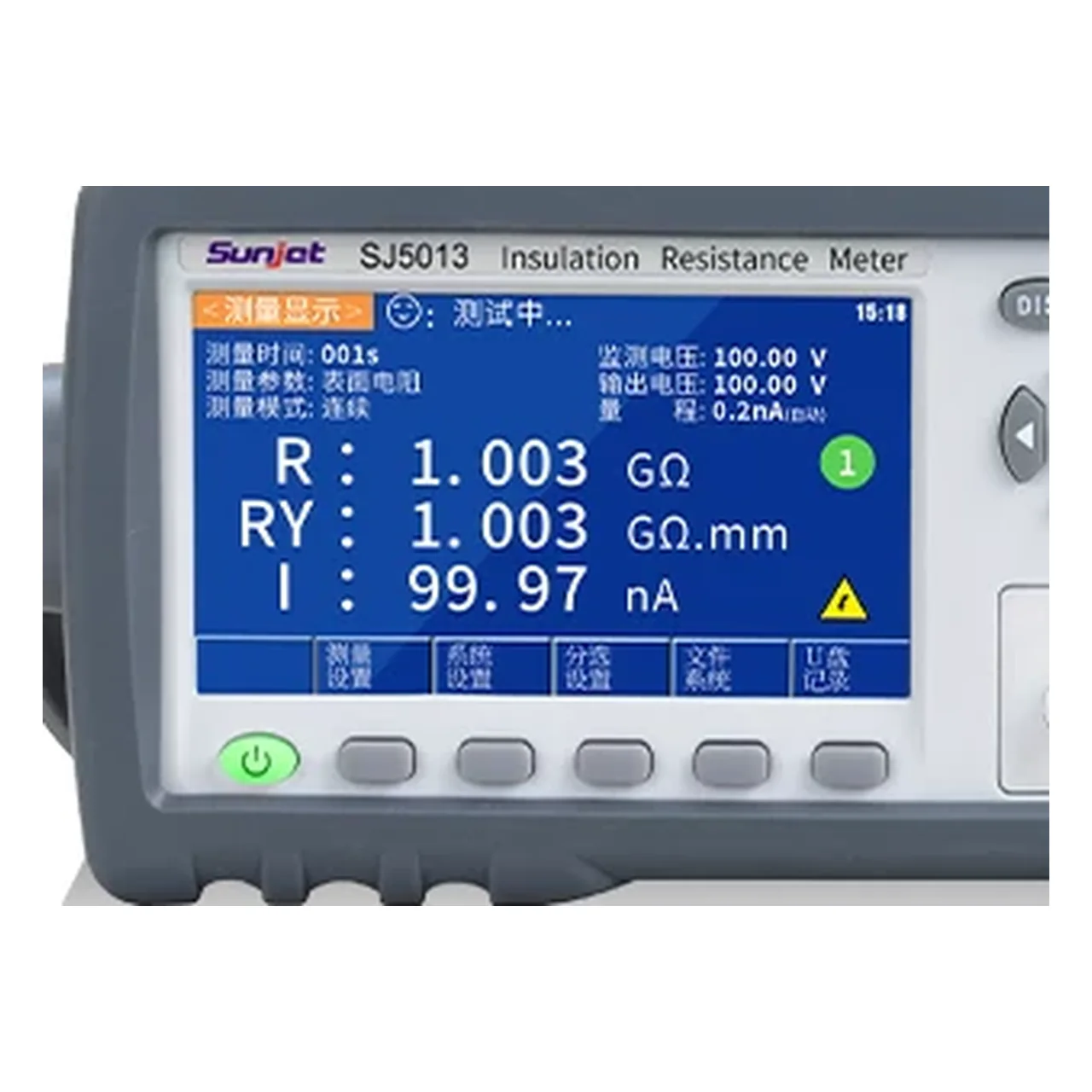
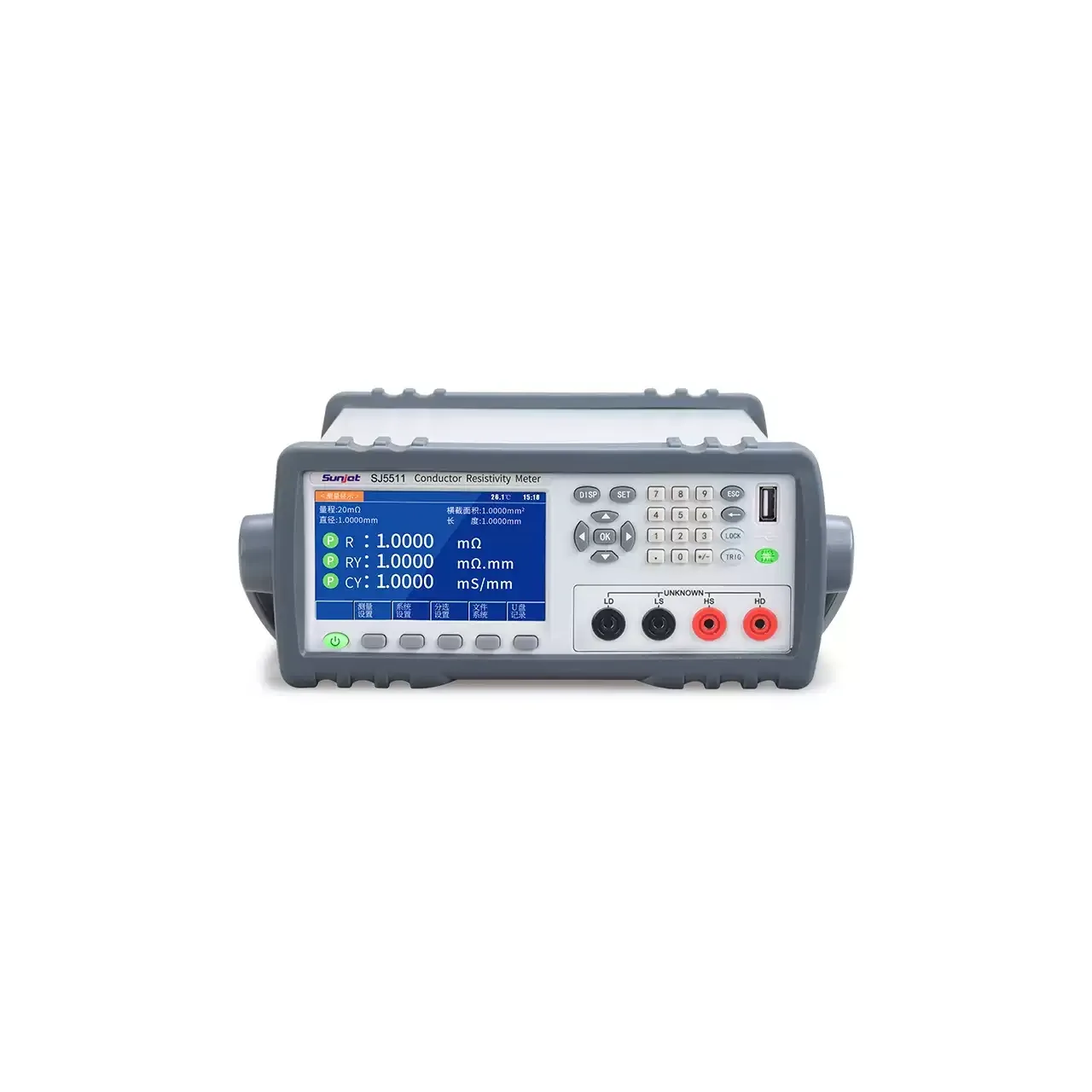
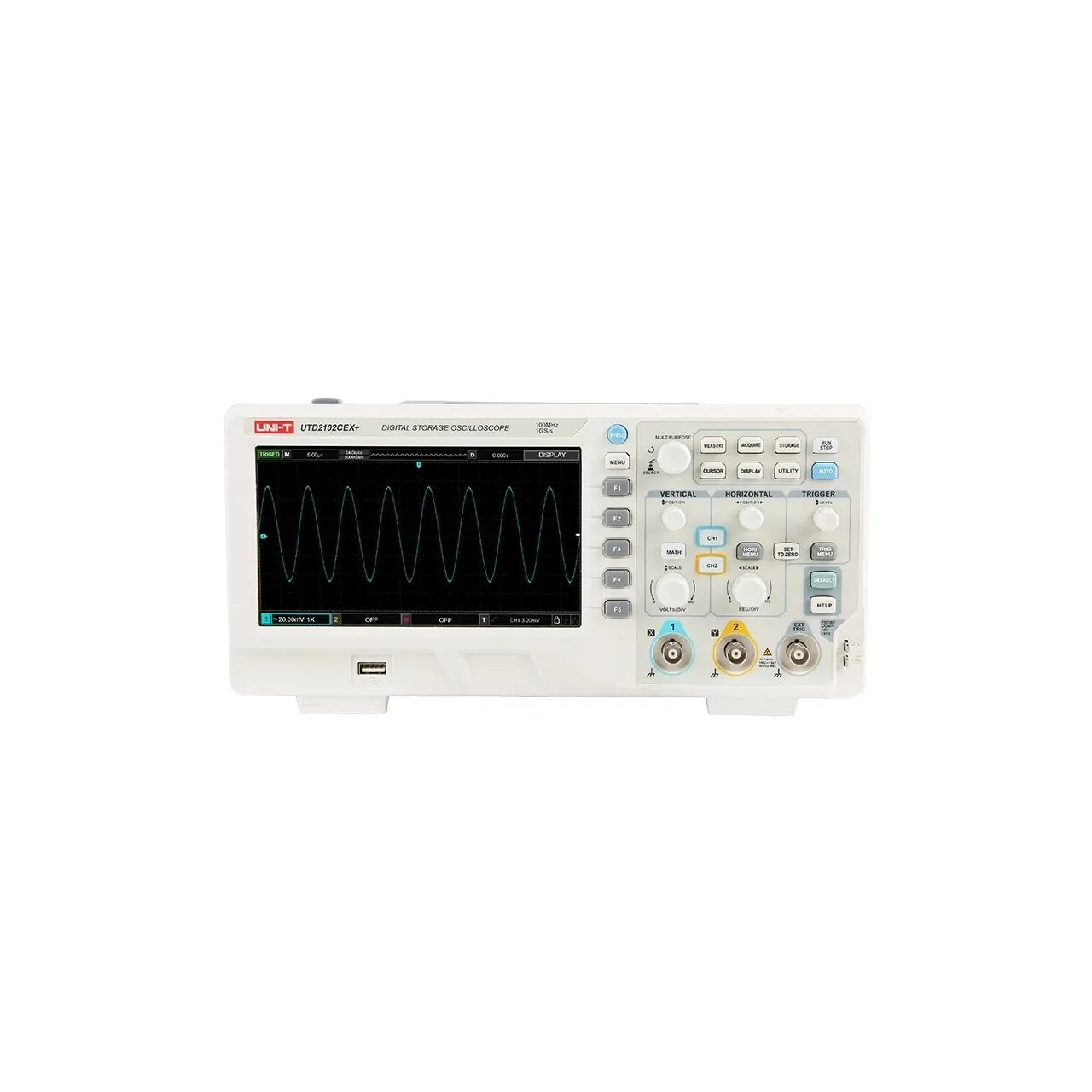
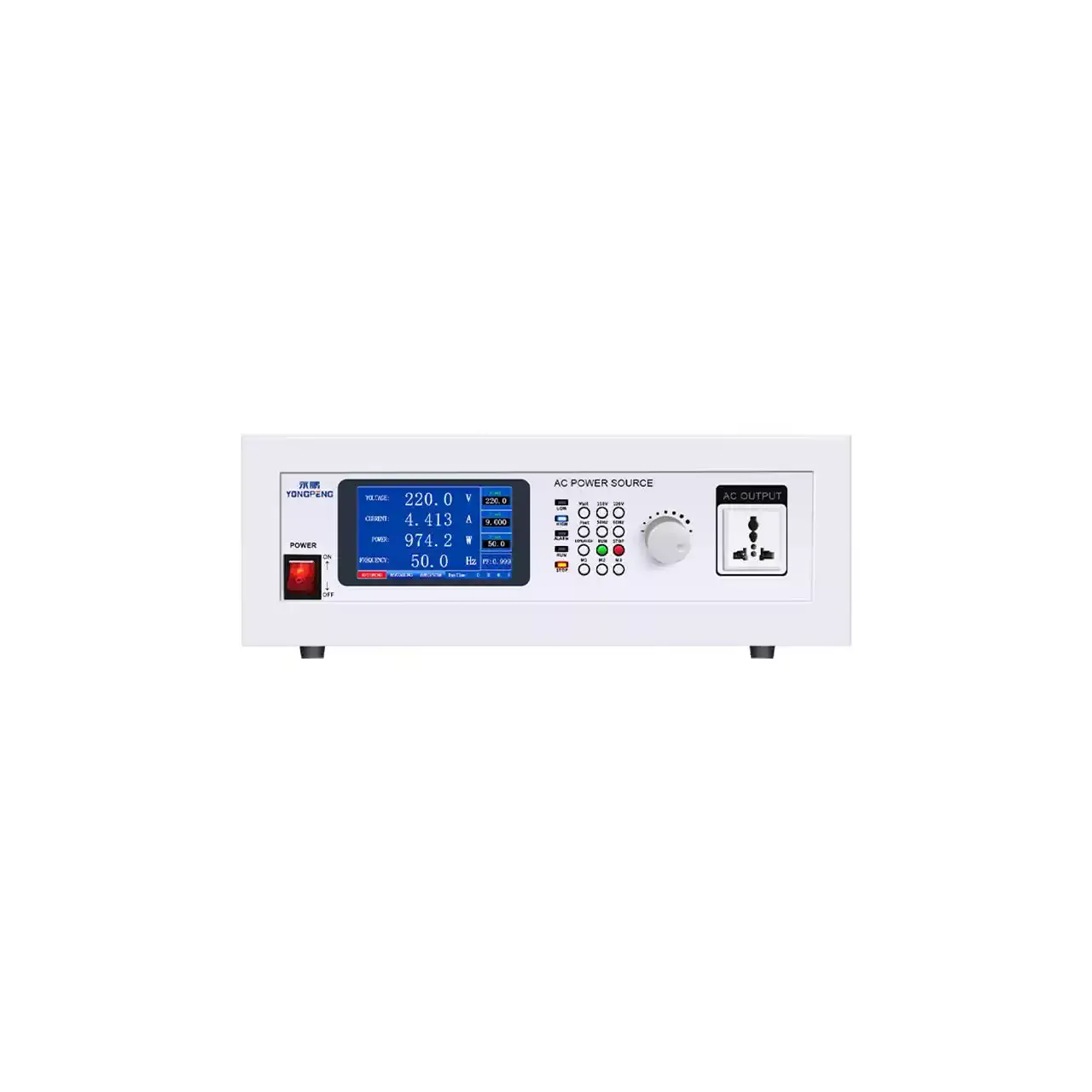
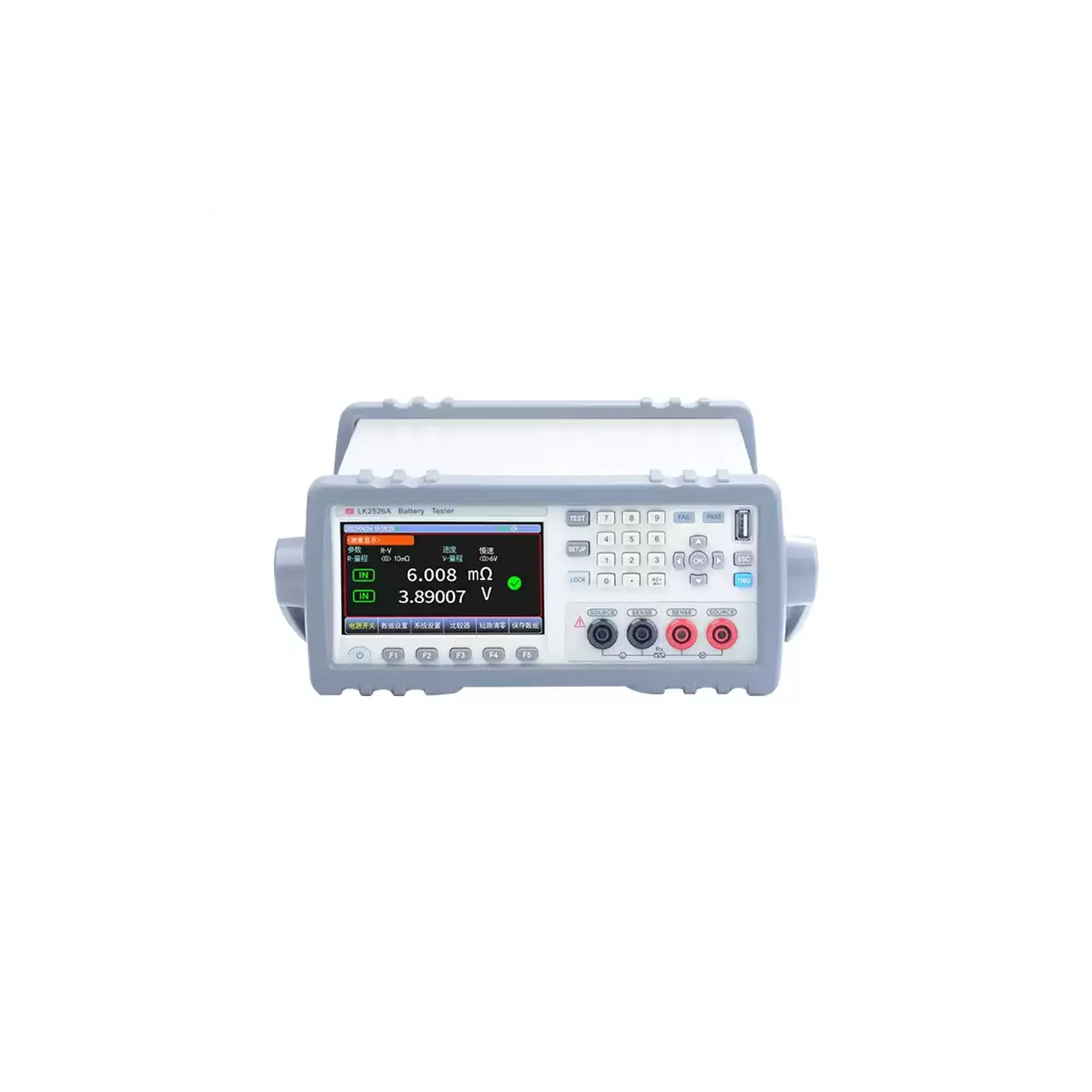
This is the broad bucket of the catalogue, and it is worth saying so. It holds the bench instruments not covered by a specialist product type: programmable direct-current supplies, electronic loads, battery testers and simulators, component and material testers, oscilloscopes, and milliohm or resistivity meters. What they share is a way of working rather than a measurement: each one sets or sinks an electrical quantity at a bench, on a single unit, and observes what the unit does in response.
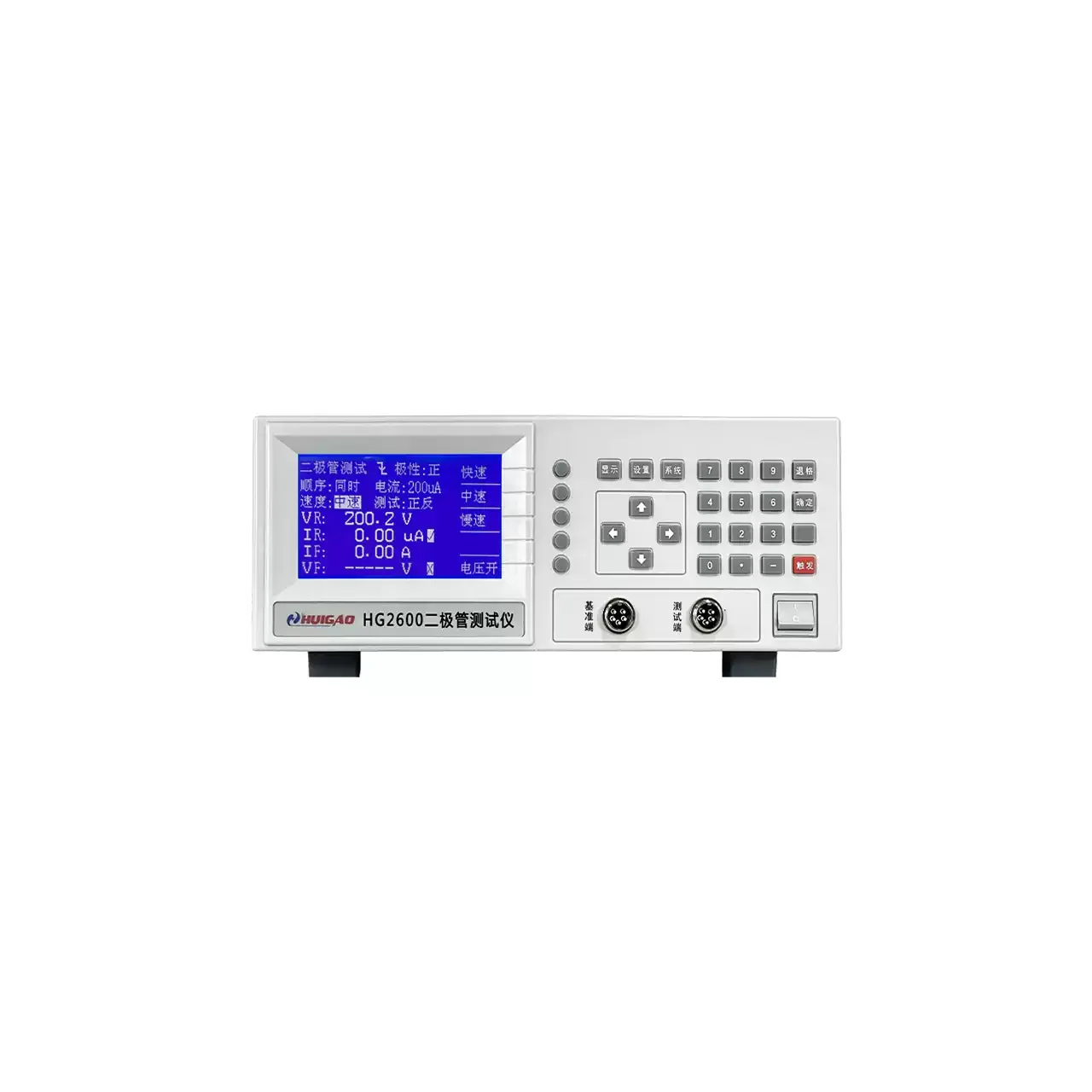
That is the opposite of the compliance instruments next door. A safety tester applies a stress and returns a verdict against a standard; an LCR meter reports an impedance at a defined test condition. The instruments here characterise behaviour - the output of a supply under a step load, the capacity of a cell over a discharge, the reverse leakage of a diode, the shape of a waveform. The buyer usually arrives with a job rather than with a type name, so the first question is which group the job belongs to.
The groups differ enough that one configuration table would be useless, so the table below is organised by function: source, sink and measurement. Within a group the decisions are similar - range at both ends, connection method, control resolution and interface - and those are what the selection table settles. Where the job is really a safety test, an impedance measurement or a power measurement, the specialist type is the better answer, and this page says so.
How an item of electrical test equipment measures
A bench instrument is a source, a sink or a bridge. A supply holds a voltage or a current at its terminals; an electronic load draws a programmed current from a source and dissipates the energy; a bridge or a meter compares the item against a reference. Each contains a control loop, and the loop decides whether the instrument can follow a step or a profile. An instrument with a wide range and a slow loop is fine for a steady-state check and unsuitable for a transient test, which is a distinction the range figures do not show.
Direction is the property that separates instruments which look alike on a data sheet. A supply delivers current, a load absorbs it, and a battery simulator does both, because a battery is charged and discharged; it also presents a defined output resistance so the item sees something resembling a cell. A two-quadrant instrument is chosen when the item can return energy - a motor being braked, a battery being discharged into the bench - because a single-quadrant supply has nowhere for that current to go and its output voltage rises instead.
The connection decides the validity of the result more often than the accuracy does. A low-resistance measurement needs four wires so that lead and contact resistance are excluded; a supply feeding a distant load needs remote sensing so that the cable drop is corrected at the load rather than at the terminals; a waveform measurement needs a probe and a bandwidth that suit the signal, or the oscilloscope reports its own probe. Each of those is a configuration choice, and each changes what the number on the display means.
Configuration choices
Most of the specification is fixed by these decisions rather than by the accuracy class. Each one constrains the next, which is why they are settled in order.
| Configuration | Options to fix | What it actually decides |
| Instrument group | Source, sink, battery tester or simulator, component or material tester, oscilloscope, or low-resistance meter | What job the bench can do at all. Within this type the group is the first decision, and the rest of the table applies inside it. |
| Direction and quadrants | Source only, sink only, or an instrument that can both deliver and absorb current | Whether the item can return energy during the test. A charge and discharge duty needs an instrument that sinks as well as sources. |
| Range at both ends | The top of the range, and the resolution available at the bottom of it | Whether a standby current or a small resistance is a measurement or only a displayed digit. A wide top range usually costs the bottom. |
| Control resolution and response | The step size of the setpoint, and how quickly the loop settles after a change | Whether a profile, a load step or a simulated fault can be followed at the speed the test requires. |
| Connection and sensing | Two-wire or four-wire, local or remote sensing, and the probe or fixture used | Whether lead, contact and cable resistance enter the result. This is often larger than the instrument’s own error. |
| Operating mode and sequencing | A single setpoint, a stored list of steps, or a profile defined from a host | Whether the test is a static check or a sequence that has to repeat identically across a run. |
| Interface and software | Local keys, a serial or bus port, and whether data is captured or only displayed | Whether the bench can be automated, and whether a result can be kept rather than written down. |
| Protection and fixture | Reverse-polarity, over-voltage and over-temperature protection, and how the item is mounted | What survives a mistake, and whether the fixture is part of the supplied system or has to be built. |
How to choose an item of electrical test equipment
| Factor | Why it decides the answer | How to settle it before enquiring |
|---|
| The quantity the test has to produce | A steady voltage, a current profile, a capacity figure, an impedance, a waveform or a resistance | Name the output of the test, not the instrument. That alone places the job in one group of this type. |
| The voltage and current band, including the low end | The smallest value that has to be resolved sets the bottom of the range, which is the end most often lost | Give the minimum and the maximum, and say which of them is the normal working point. |
| Whether the item sources or sinks current | It decides between a supply, a load, a two-quadrant instrument or a pair of units | Describe the test: charging, discharging, holding a load, or emulating a battery. |
| Whether the test is static or dynamic | A profile or a step requires control resolution and loop speed that a steady-state check does not | Say what changes during the test and how fast it has to change. |
| The smallest impedance or resistance to be measured | It fixes the connection method, and whether a four-wire fixture is needed | State the lowest value and the size of the item, since both affect the fixture. |
| Whether the bench is manual or automated | It fixes the interface, the fixture and whether results are stored | Say whether an operator starts each step or a program runs the sequence. |
| Whether a specialist type already covers the job | A safety test, an impedance measurement or a power measurement is answered better by the dedicated type | Check the neighbouring pages before configuring an instrument from this bucket, because duplication is common here. |
If any of these are still open, send what is known. A quotation can be issued against a duty description and refined once the gaps are filled.
The nearest alternatives
These are the types an enquiry for an item of electrical test equipment usually turns out to be, and the point at which the choice is genuinely decided.
| Nearest alternative | What separates it from this bench group |
| Electrical safety testers | Applies a high voltage and returns a pass or fail against a product standard. The instruments in this bucket describe behaviour and carry no verdict; a supply or a load cannot substitute for the stress a safety test applies. |
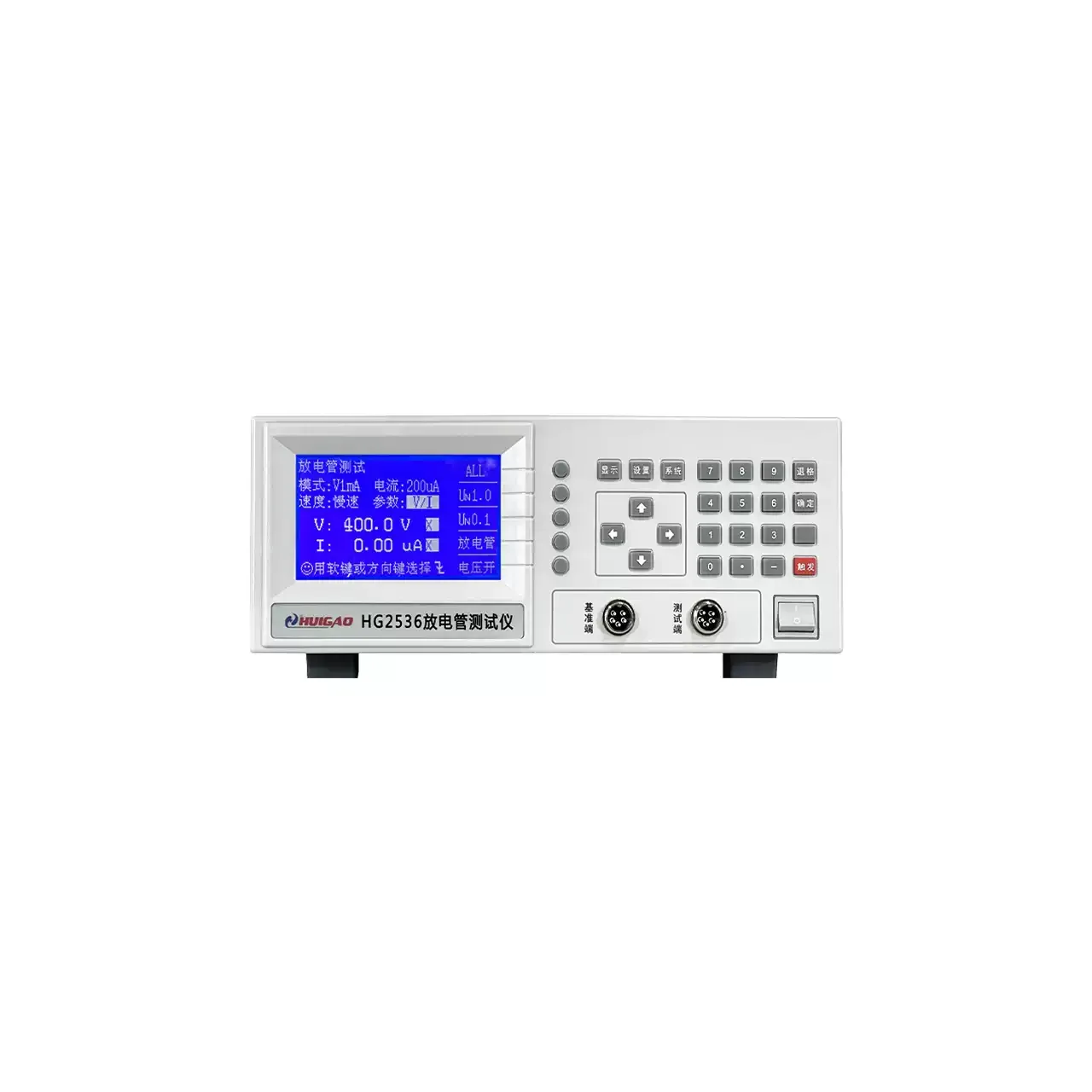
| LCR meters | Measures a component as a complex impedance at a defined frequency, level and bias. Component testers in this bucket answer a different question - reverse leakage, sheet resistance, the response of a piezoelectric plate - and the two are not interchangeable even when both connect to the same part. |
| Power meters | Reports the power a load draws. A supply or an electronic load sets the electrical condition rather than measuring what the item consumes, so a bench can hold a load at a point and still have no figure for its consumption. |
This type is a residual group by design. The quickest way to configure it is to name the test result first, then check whether one of the specialist pages already owns that result.
What to include in the enquiry
The first reply can be a quotation rather than a set of questions if the enquiry carries these. Where a figure is not known, send the duty description and we will confirm what it implies.
- The result the test has to produce, and the item it is taken on
- The voltage and current band, with the smallest value that must be resolved
- Whether the item is charged, discharged, held under load or measured passively
- Whether the test is a single setting or a sequence, and how fast it changes
- Whether the bench is manual or driven by a program, and where the data goes
- Quantity, destination port and required delivery date